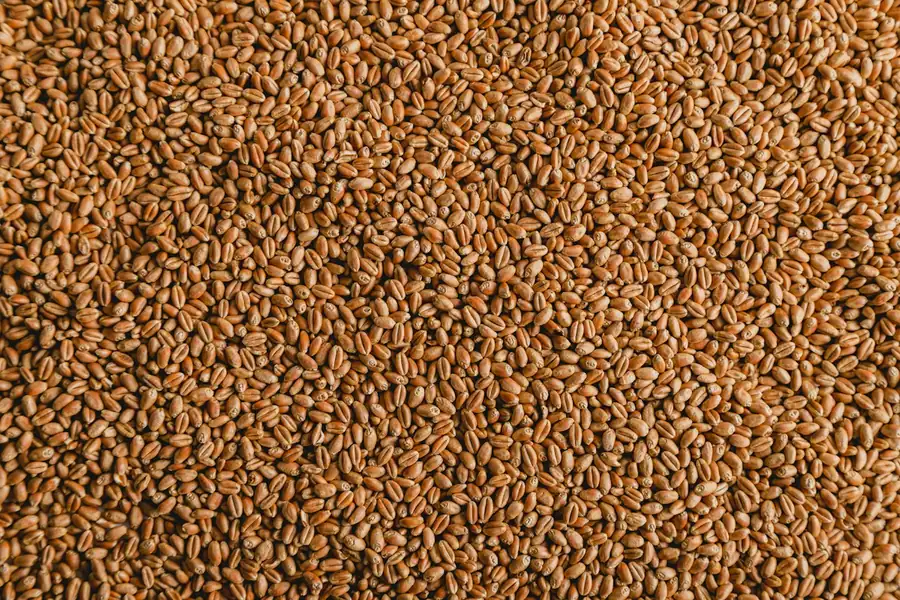
What feed wheat is
Feed wheat goes into compound feed for poultry, livestock and other animals. It is valued as a source of energy and protein, alongside the other ingredients in the formula.
A feed mill compares it with other grains on nutritional value, price and availability, so demand can change with the market.
How it differs from milling wheat
Milling wheat is judged on how it behaves as flour and dough, so wet gluten and falling number matter. Feed wheat is judged on nutritional value and cleanliness, so protein, moisture, damaged grains and mycotoxin limits come first.
They are different contract grades. The grade is stated in the contract and in the quality certificate.
What a contract usually specifies
We publish no generic figures. The values come from your formula, your market's rules and the supplier's actual specification.
Protein
Sets dough strength and the kinds of flour a mill can make. For feed, it is the main nutritional value.
Moisture
Affects safe storage and how much dry matter you actually pay for.
Test weight
Weight per volume: a quick sign of sound grain and good flour yield.
Foreign matter
Non-wheat material that lowers yield and must be cleaned out.
Damaged grains
Broken, heated or insect-damaged kernels that lower feed value.
Mycotoxin limits
Safety limits on toxins from moulds, critical for animal health.
Safety and storage
Mycotoxins come from moulds and can harm animals, so limits are agreed with the buyer and must follow the rules of the importing country. Moisture matters too: damp grain is harder to store safely, above all on a long voyage or in a hot climate.
How to request an offer
- Tell us the animals and feed the wheat is for, and the parameters you need.
- Give the destination port and the quantity you can take.
- Add your target price and delivery schedule.
- Send a letter of intent or a request for quotation. A formal offer follows once the supplier confirms in writing.